Between Drinks


Building sustained relationships
With all the hoopla surrounding functional beverage trends, it comes as no surprise that in Mintel’s “2026 Global Food & Drink Predictions” report the market research firm anticipates that protein and fiber will gain staying power by promoting additional benefits.
“In a time when there’s an abundance of instantly available health advice, protein and fiber are cutting through the clutter in 2026 and going mainstream as easy-to-understand, accessible and essential nutrients,” the report states. “… By 2030, consumers will have felt the health benefits of consuming sufficient protein or fiber and they will aim to improve their dietary diversity.”
Yet, out of the three main takeaways of Mintel’s extensive report — which includes consumer adoption of a variety of ingredients, and a revival in traditional ingredients and packaging formats — notably, the report delves into a third key point: how purposeful formulations will aim to provide memorable specific sensory needs of underserved consumers.
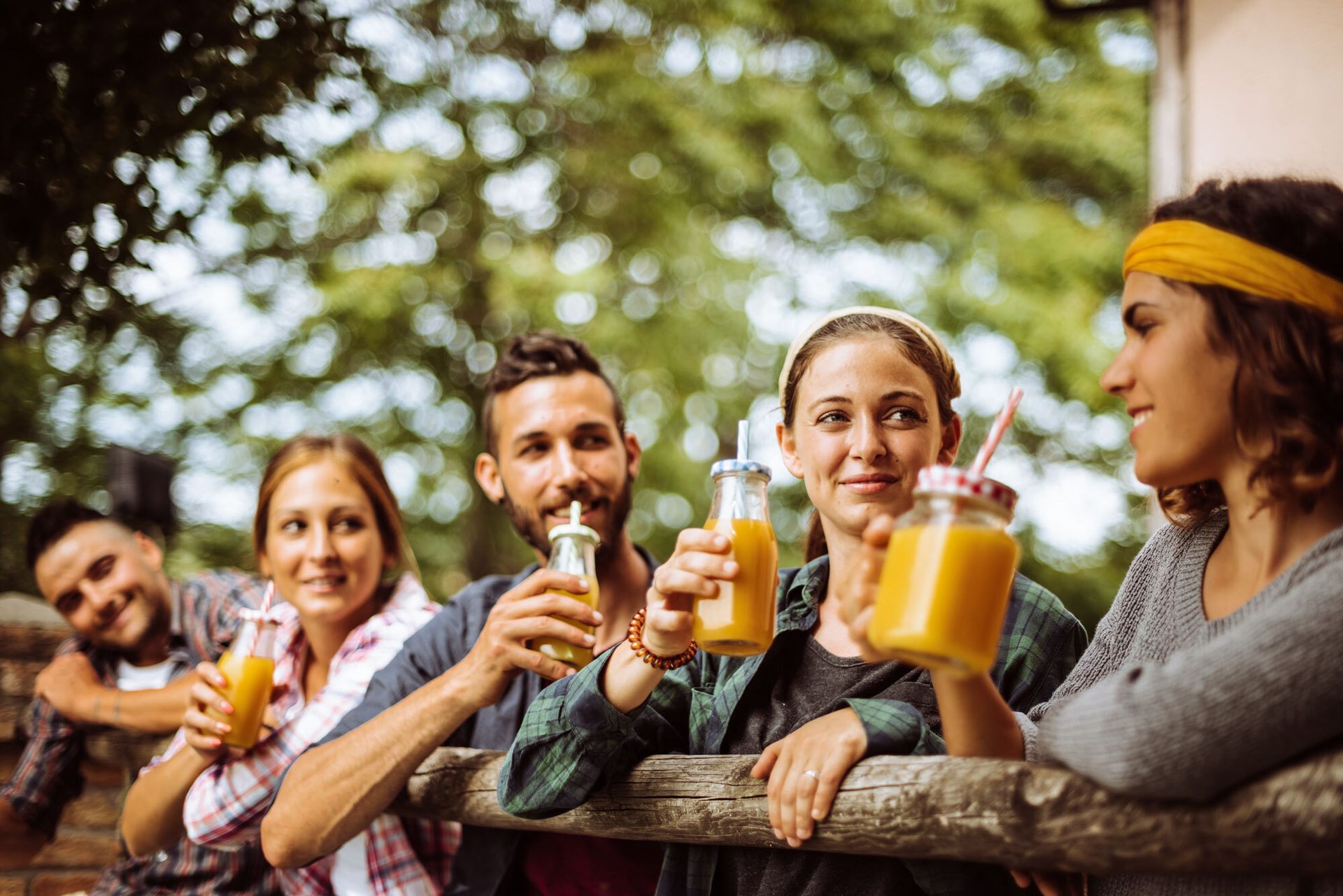
(Photo by franckreporter/E+ via Getty Images)
Jenny Zegler, director of food and drink at Mintel, and author of the report, noted: “In 2026, brands must support consumers who feel they’re merely surviving, not thriving. By addressing global challenges like climate change and chronic health impacts, brands can build lasting relationships and empower persistence in daily life.”
An example of how brands are working toward building sustained relationships with consumers to address the impacts of chronic health conditions is BOOST, which recently announced a new collaboration with the American Diabetes Association (ADA) to help spread awareness about the importance of early detection and proper nutrition for adults managing diabetes.
This initiative underscores the role that awareness and community support play in driving early detection of diabetes, the company says.
“At BOOST, we believe nutrition is foundational to support health and wellness goals,” said Mohini Joshi, vice president of marketing strategy and innovation for the BOOST brand, in a statement. “Supporting the American Diabetes Association reinforces our mission to empower individuals with the knowledge and products that champion quality nutrition. Our combined efforts are focused on raising awareness and ensuring individuals have information and resources necessary to help enable the early detection of diabetes.”
Another example of how brands are working to address global challenges such as climate change is Moët Hennessy, the wine and spirits division of the LVMH group. The division announced the third edition of the World Living Soils Forum (WLSF), co-organized with ChangeNOW, will take place June 3 and 4, at LUMA Arles.
To amplify the movement for soil regeneration and to broaden the sharing of solutions, Moët Hennessy is bringing together committed companies to design and organize the event alongside its Advisory Board, it noted, in a December press release.
“As the foundation of life, guaranteeing the development of flora and fauna, and indeed our humanity, soils are crucial,” the company stated. “According to the latest reports from the United Nations Convention to Combat Desertification (UNCCD), healthy soil stores twice as much carbon as the atmosphere, hosts 50% of terrestrial biodiversity, can better filter water, and retain up to 20 times more.”
According to Mintel’s “2026 Global Food & Drink Predictions” report, empathetic brands can help consumers who feel like they are only surviving, rather than thriving.
“The polycrisis, a term for a series of consecutive, interlinked shocks or disasters, of the past five years has left consumers and companies alike in need of support to feel prepared, flexible and even creative in the face of obstacles,” the report states. “Being resilient is a lasting lesson from COVID-19, but Mintel’s global food and drink analysts predict perseverance will emerge as a motto for 2026.
“Brands will build sustained relationships with consumers by demonstrating how they are persevering through the global issues that are also complicating consumers’ daily lives, such as climate change, supply chain disruptions and the impacts of chronic health conditions,” the report continues. “With solutions designed to encourage persistence, consumers will feel more empowered to endure the daily challenges from ‘what's for dinner?’ to ‘will drinking this help my future self?’”
In today’s world, where global challenges seem never-ending, it’s reassuring to know that beverage brands are joining consumers to find ways that might help improve upon daily life.
MUG Root Beer delivers irresistible aroma
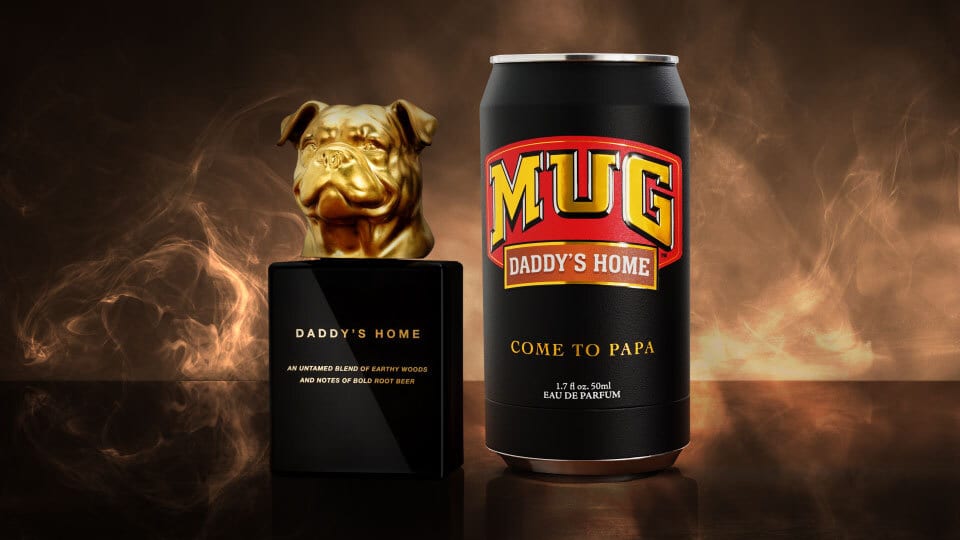
MUG Root Beer stepped into the fragrance world with the introduction of Daddy’s Home by MUG Root Beer, a limited-edition cologne crafted for humans who believe their signature scent should be equal parts earthy, woodsy and unapologetically root beer-coded, the company says. Developed in collaboration with the brand’s mascot and chief sniffer, Dog, this bold fragrance will turn any pup into the ultimate aura farming dog, it adds. Daddy’s Home by MUG Root Beer made its debut with a dramatic, and deliberately unserious, twist on traditional fragrance culture. “Fragrance culture is notoriously serious and heavily aspirational. For us, that meant thinking about what scent would make Dog and our fans come running,” said Michael Smith, vice president of MUG Root Beer, in a statement. “Daddy’s Home by MUG Root Beer is for our die-hard MUG fans who believe root beer rules every sense, not just taste.” The limited-edition cologne was available bundled with MUG TikTok Shop. Consumers were able to score the limited-edition Daddy’s Home by MUG Root Beer 1.7-ounce cologne as part of a $15 bundle with a 10-pack of MUG Root Beer Mini Cans, available exclusively on the @mugrootbeer TikTok Shop. Daddy’s Home by MUG Root Beer is intended for human use only and should not be sprayed on dogs, the company notes.
Lucky Energy unveils ‘ick-free’ sanctuary with new campaign
Lucky Energy teamed up with TV personality Brittany Cartwright to launch its cheekiest campaign yet: Lucky Farms. Think of it as a wide-open pasture where the vibes are high, the ingredients are clean, and absolutely no ick is allowed, the company says. ”Lucky Farms is where we send all the ick: bad dates, weird habits, and those energy drinks with more chemicals than flavor,” Cartwright said in a statement. “Lucky Energy keeps it clean and ick-free, so saying yes to building this world together was easy.” Hamid Saify, chief marketing officer at Lucky Energy, added: “It’s no secret that some energy drinks carry the same ‘ick factor’ people talk about in today’s dating world. Lucky Energy sets a higher standard. With 33% fewer ingredients, we offer a cleaner, simpler, genuinely great-tasting option for those choosing to leave the ick behind.” To celebrate the campaign, Lucky Energy introduced a new limited-edition flavor inspired by Cartwright’s Kentucky roots: Rawt in Hail Strawberry Lemonade. Sweet, tart, and a little bit fiery, the limited-edition flavor is ideal for anyone who’s ever muttered “rawt in hail” under their breath after their partner does something aggressively icky, the company says. Lucky Farms content is set to roll out across social and digital including Cartwright’s official tour of the ick-free grounds, her top icks list, and a tongue-in-cheek guide to spotting red flags in both men and energy drinks.
From sips to fits: Smirnoff ignites next-gen NFL Fandom
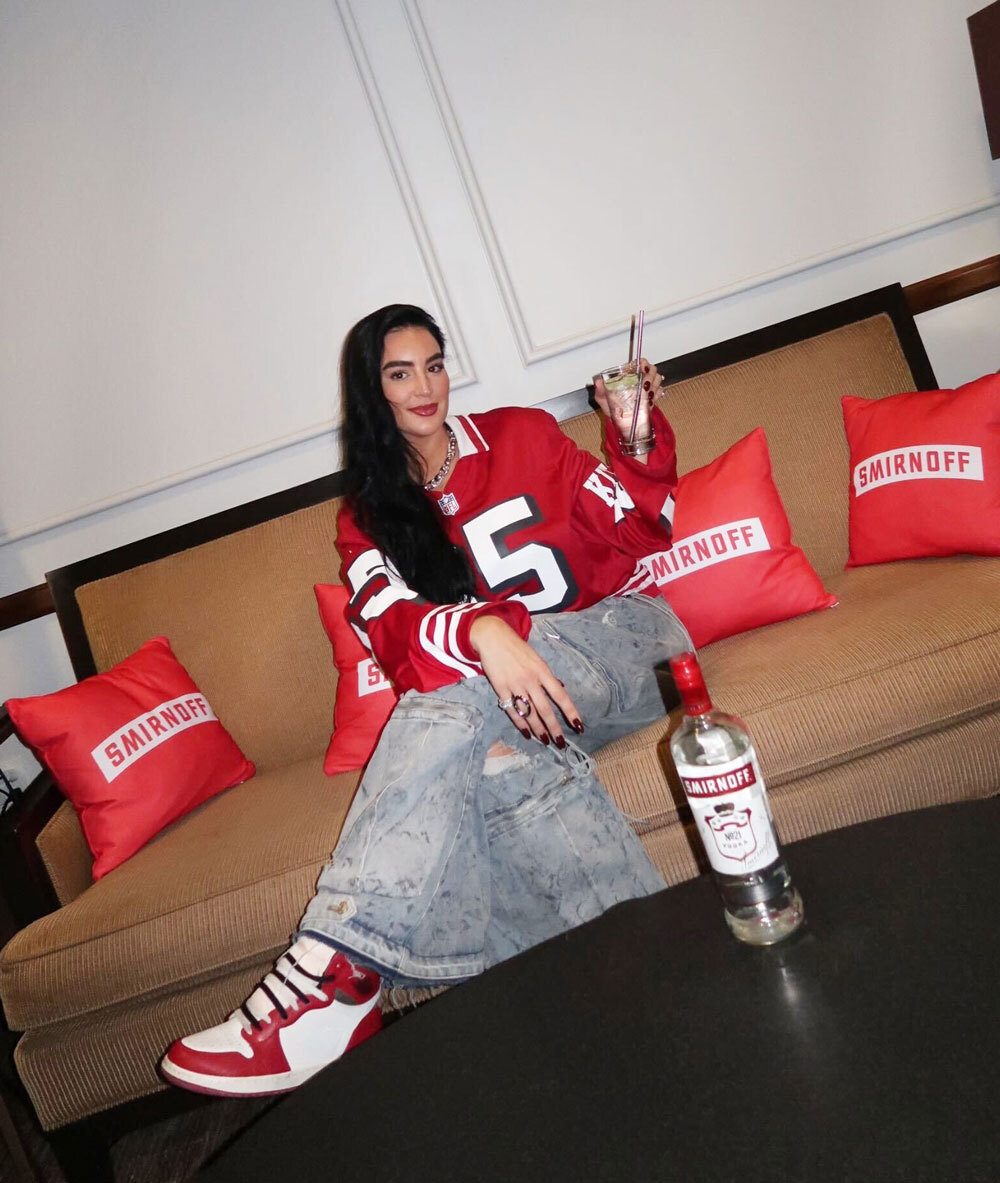
Returning for its fifth season as the Official Vodka Sponsor of the NFL, Smirnoff remixed its We Do Game Days celebration beyond the field and into the core of fan culture. “As NFL fandom continues to evolve and new generations redefine what game days look like, Smirnoff is building on that energy with a fresh take on how We Do Game Days,” said Jennifer Holiday Hudson, North America brand leader for Smirnoff Vodka, in a statement. To kick things off, Smirnoff launched a limited-edition, Smirnoff-commissioned merchandise giveaway — headlined by creative and official licensed NFL designer Aleali May, alongside designers Gavin Mathieu and Kayla Jones, who brought bold, gameday flair through their Smirnoff collaborations, it notes. Ahead of the early December launch, consumers could sign up for alerts of when these head-turning pieces commissioned by Smirnoff from trendsetting designers drop. Smirnoff also offered one lucky consumer the chance to score the ultimate gameday win: a trip to San Francisco during Super Bowl LX weekend and Aleali May’s one-of-one gameday jacket. “What excites me the most about this collaboration with Smirnoff is that it takes that incredible gameday energy and transforms it into something tangible for fans to express themselves and their love for the sport,” May said in a statement. “As an NFL fan myself, I’ve designed this jacket to channel that collective energy, and I can’t wait to see it go home with one lucky fan.”

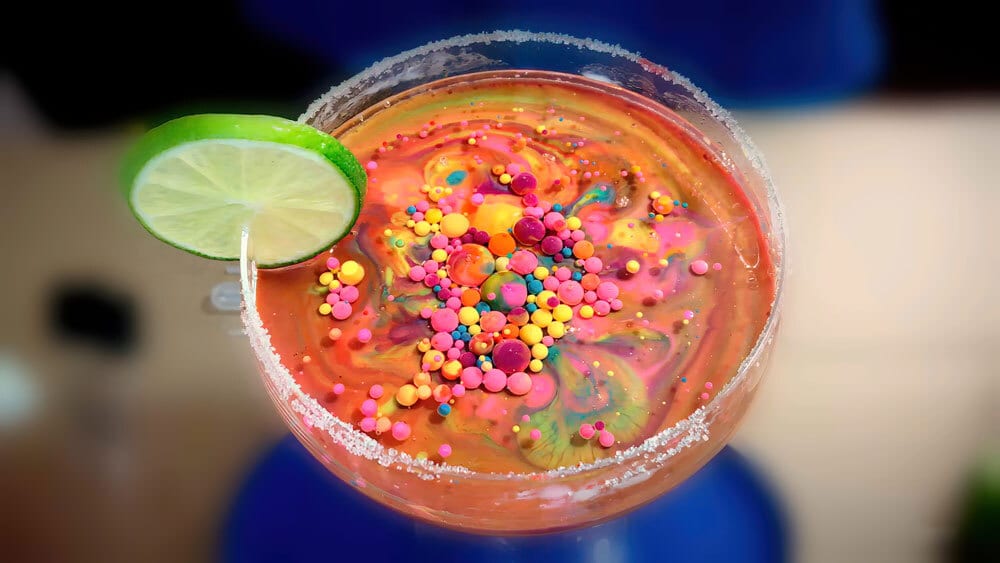
Cocktails edge out Champagne for celebrating moments with 53% of U.S. respondents preferring cocktails over Champagne.
According to a “2026 Bacardi Cocktail Trends Report,” consumers are prioritizing experiences over tradition. After surveying thousands of people across the United States, the “2026 Bacardi Cocktail Trends Report” found that consumers increasingly are drawn to personalized, shared moments, seen in the rise of frequent, casual celebrations like dinner parties, with cocktails offering a level of personalization and creativity that Champagne simply doesn’t match, the company says.
“Champagne has long been the default for celebrations, but after years of limited socializing, people are gravitating toward drinks that feel fun, unique and personal,” the report states. “Bars and restaurants are responding with customizable, playful, Instagram-worthy cocktails (nearly one-third of Gen Z drinkers are excited to share their cocktail moments on social media in 2026) while Champagne remains more uniform.”
Did You
Know?
(Image by Alexsandr Mol/iStock / Getty Images Plus via Getty Images)